
Plants and Wildlife at the SSFL
It may be surprising to learn how many plants and animals call the Santa Susana Field Lab (SSFL) home, despite the widespread contamination known to harm biological life. This is because not every part of the site was polluted by decades of industrial and experimental activity. Almost half of the 2,850-acre site remains relatively untouched.
The green area on the map represents the portion that would be remediated if a full "background level" cleanup were completed. However, just because some areas aren’t contaminated enough to require remediation doesn’t mean the plants and animals living onsite aren’t being harmed by migrating contamination.
To truly protect the ecosystem at SSFL, the site must be fully cleaned up. The plants and animals that live there deserve a safe, unpolluted environment where they can thrive.

SSFL’s Protected Wildlife

Image of some of the endangered and threatened species at the SSFL
Federally endangered species:
Bird: Least Bell's Vireo (Vireo bellii pusillus)
Butterfly: Quino Checkerspot (Euphydryas editha quino)
Butterfly: Lyon's pentachaeta (Pentachaeta lyonii)
Plant: Braunton's milk-vetch (Astragalus brauntonii)
Crustacean: Riverside fairy shrimp (Streptocephalus woottoni)
Federally THREATENED species:
Amphibian: California red-legged frog (Rana draytonii)
Crustacean:Vernal pool fairy shrimp (Branchinecta lynchi)
Bird: Coastal California gnatcatcher (Polioptila californica californica)
Plant: Spreading navarretia (Navarretiafossalis)
Plant: California Orcutt grass (Orcuttia californica)
Plant: Conejo dudleya (Dudleya abramsii ssp. parva)
Plant: Santa Monica Mountains dudleya (Dudleya cymosa ssp. ovatifolia)
Plant: Marcescent dudleya (Dudleya cymosa ssp. marcescens)
Federally listed THREATENED species candidate:
Plant: San Fernando Valley spineflower (Chorizanthe parryi var. fernandina)
California Endangered Species
Plant: Santa Susana Tarplant (Deinandra minthornii)
California Fish and Game: fully protected species
Mammal: Ring-tailed cat (Bassariscus astutus)
California Species of Concern
Reptile: Coast Horned Lizard (Phrynosoma blainvillii)
Reptile: Two-striped Garter Snake (Thamnophis hammondii)
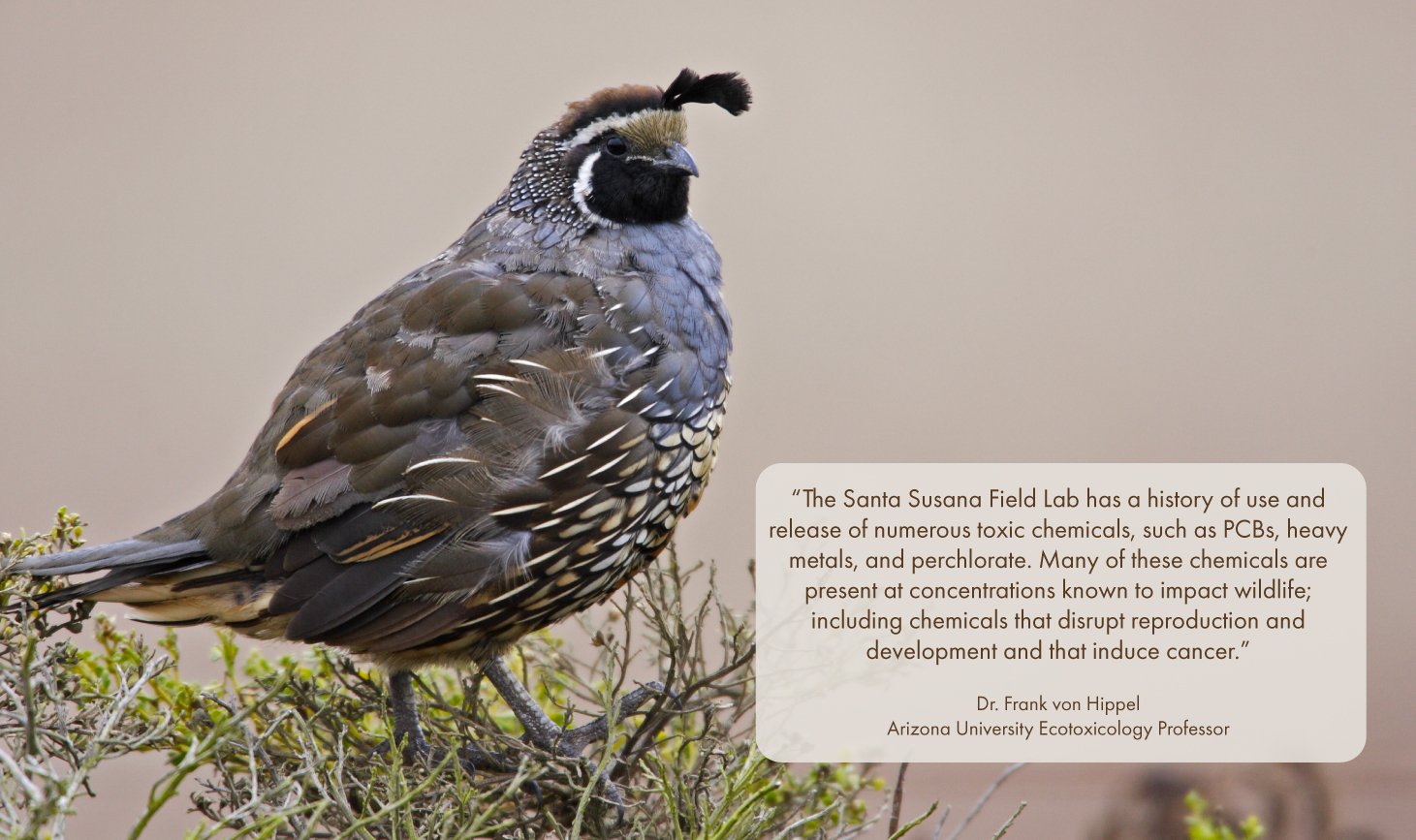
Bird: Loggerhead Shrike (Lanius ludovicianus)
Plant: Plummer’s Mariposa Lily (Calochortus plummerae): CNPS List 1B species
Plant: Slender Mariposa Lily (Calochortus clavatus var. gracilis) CNPS List 1B.2 species
Long-lasting pollutants
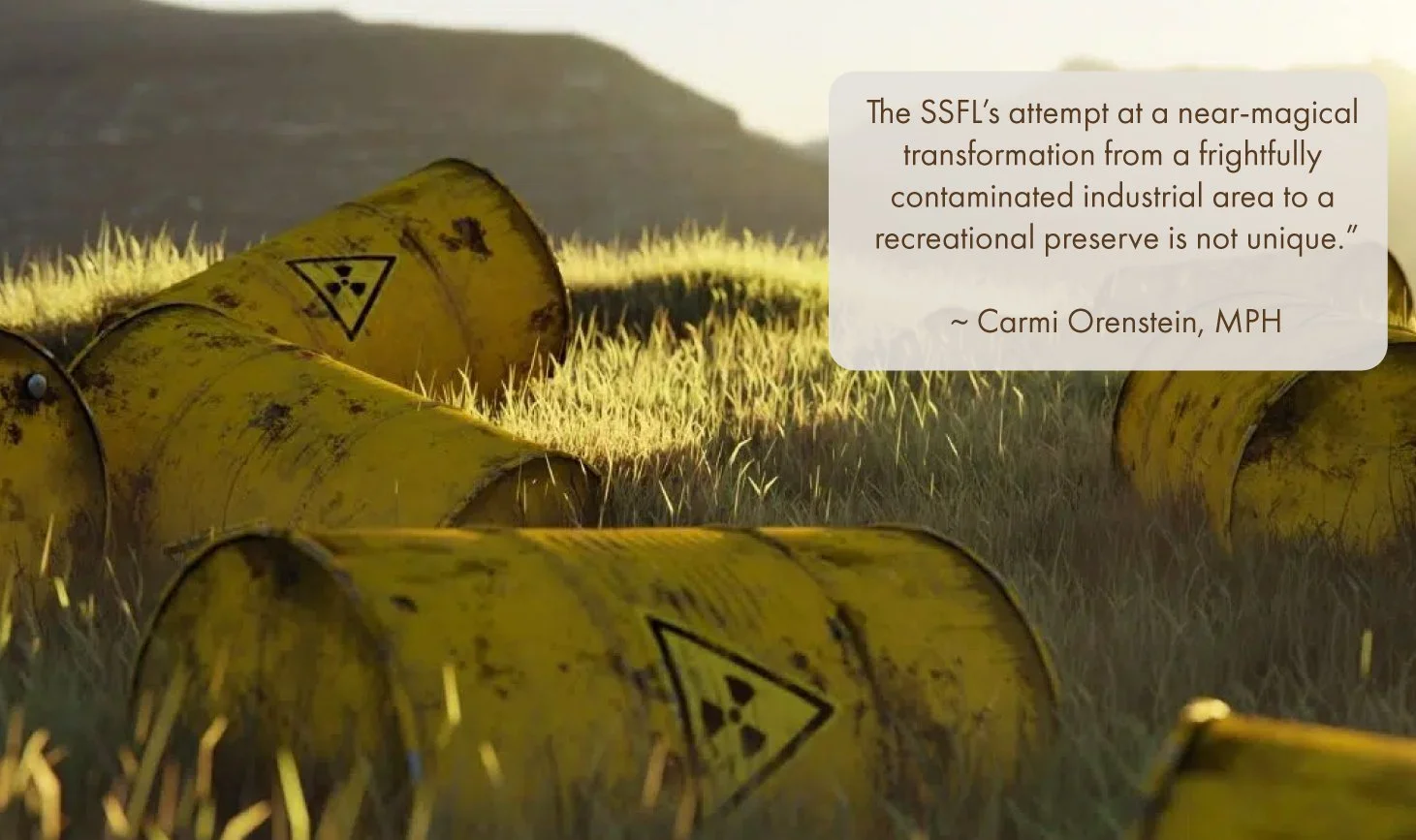
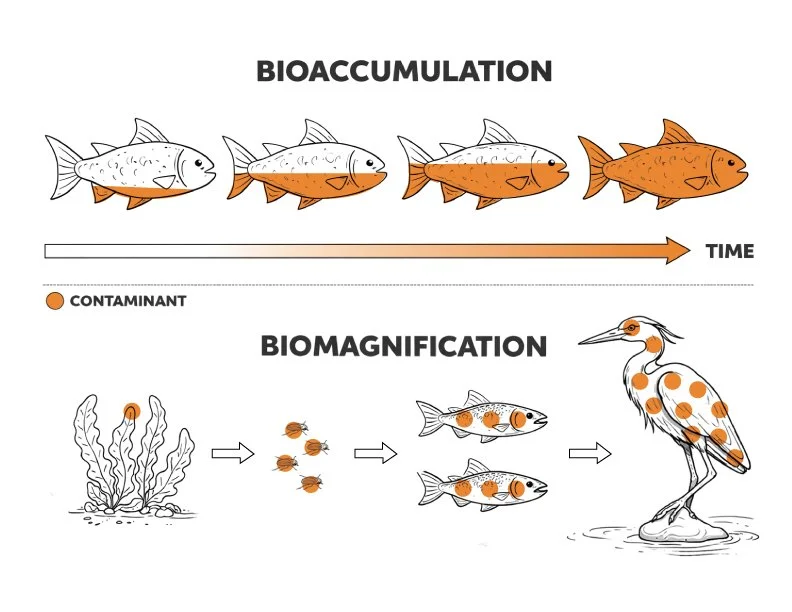
Many of the pollutants at the Santa Susana Field Lab are long-lasting and don’t break down easily in the environment. That means the plants and animals at and near the SSFL are at risk for increased exposure through bioaccumulation and biomagnification.
Bioaccumulation occurs when a species is repeatedly exposed to long-lasting pollutants over time that build up in the body.
Biomagnification occurs when species lower on the food chain are exposed to long-lasting chemicals in small amounts. Species higher on the food chain eat many smaller species and collect more pollutants in their bodies. This continues up the food chain until the top predators are the most impacted by the contamination.
Wildlife Town Hall
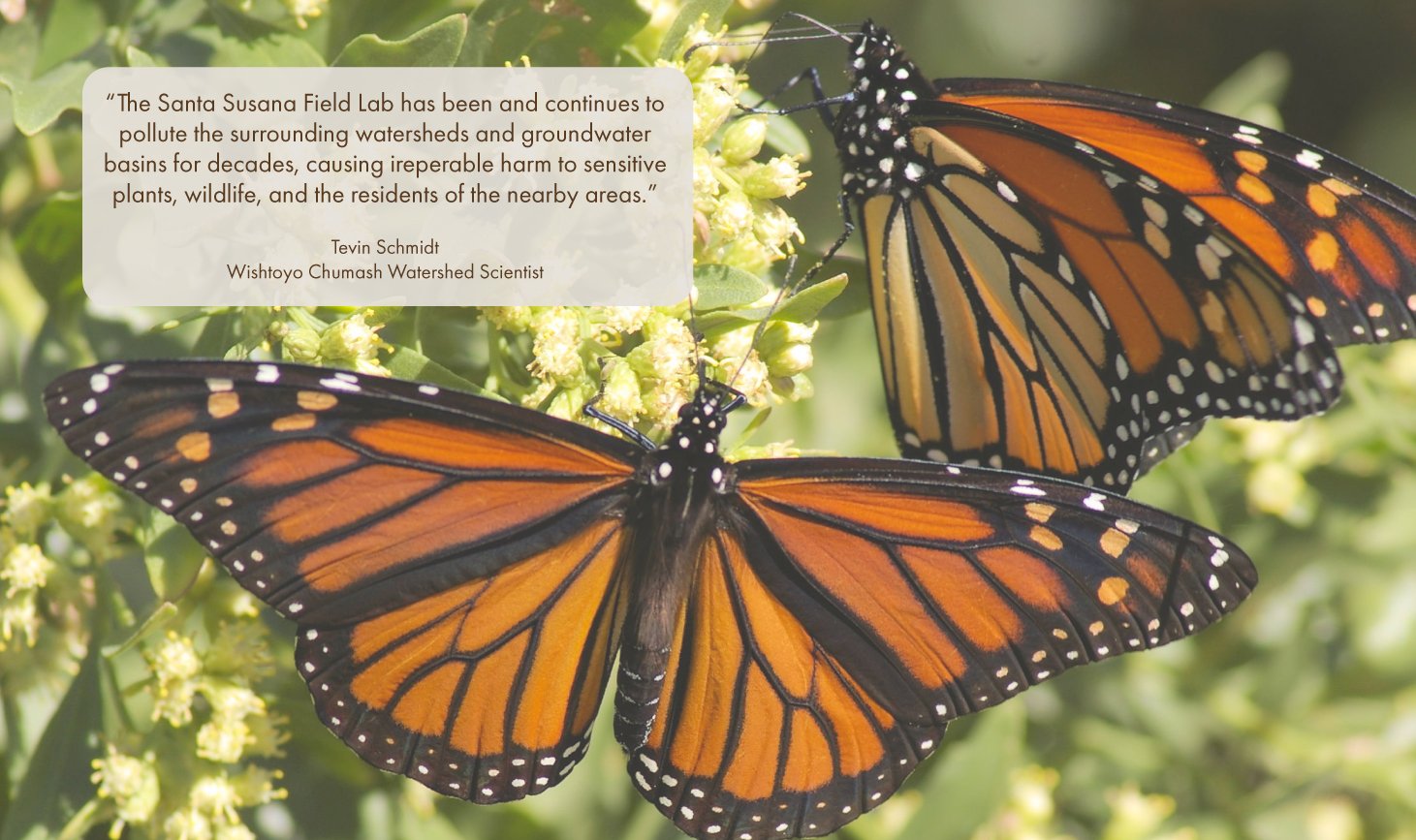
Guest speaker Tevin Schmitt, Watershed Scientist from the Wishtoyo Chumash Foundation, helps PASSFL understand the impacts of contamination on the SSFL Wildlife.
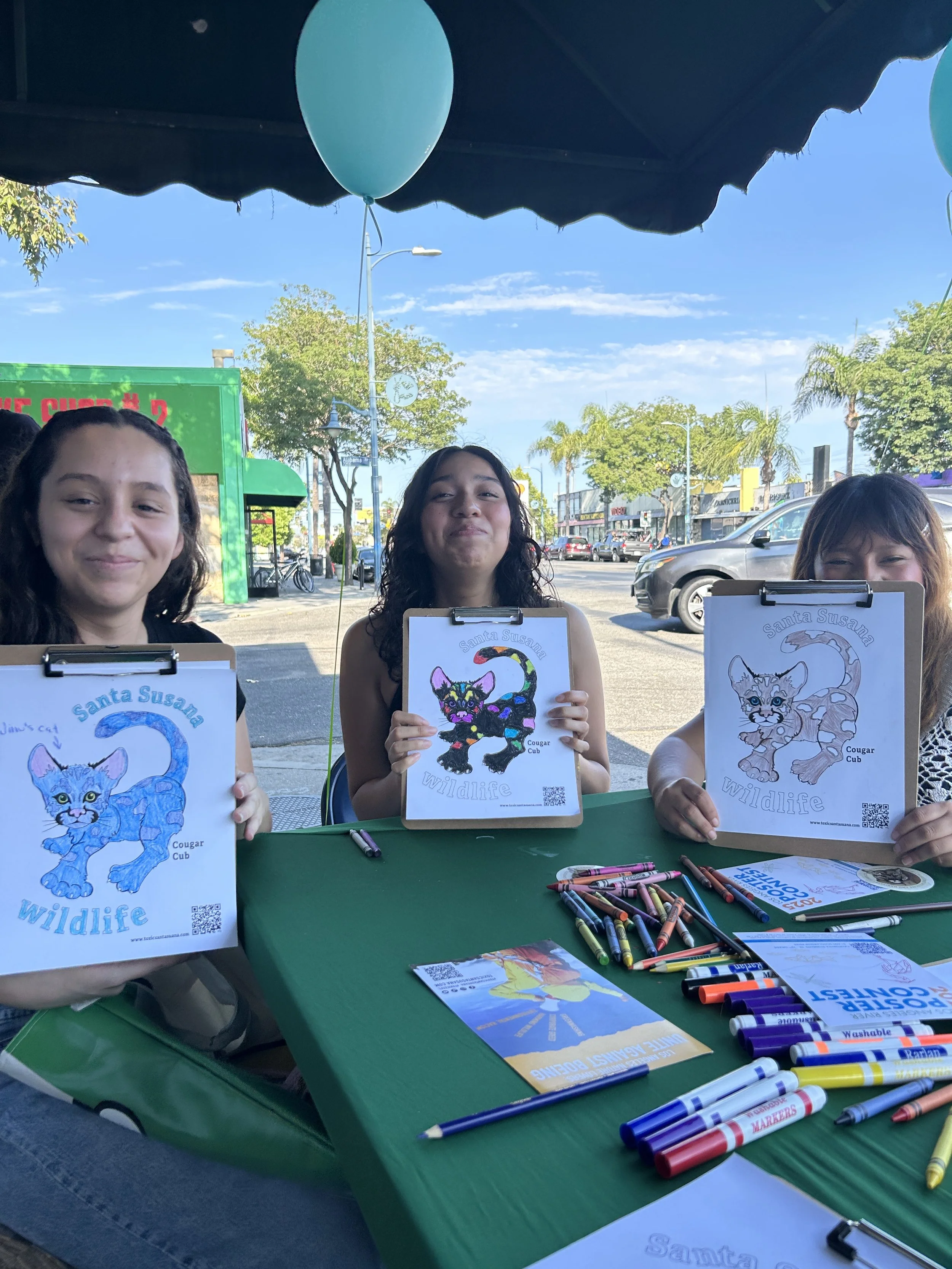
Wildlife coloring sheets
Download FREE coloring sheets about the wildlife living at and near the Santa Susana Field Lab.

LEast Bell’S Vireo
The Santa Susana Field Lab is home to the Least Bell’s Vireo, an endangered insectivorous passerine (a bird who eat insects). The shy songbird was listed as endangered in California in 1980 and federally listed in 1986.
A study on the Pollution-related changes in diets of two insectivorous passerines is especially relevant to the Least Bell’s Vireo here at the SSFL. In the study, two insectivorous birds were studied, living in areas polluted by a copper smelter. They examined the quality of food the birds gave to their young and their breeding performances. They did not find any differences in feeding frequencies or the amount of food that the parents provided their young. But the food quality was different. They found that heavy metal pollution affects bird’s breeding performances indirectly, due to the food quality given to their young. The study shows the importance of secondary environmental changes, like food quality, in addition to the direct impacts of pollutants.
Our local birds should be protected from the SSFL’s heavy metal contamination, in addition to toxic chemicals and radioactive waste.

SSFL Sensitive PLants
The SSFL Tarplant and the Brauton’s Milkvetch are two of several endangered or threatened species that grow on and near the Santa Susana Field Lab. According to a 2013 Report by the U.S. Fish and Wildlife Service, the species would benefit long-term from the SSFL’s complete “background” cleanup.
BRAUTON’S MILKVETCH

Excerpts from the 2013 Fish and Wildlife Determination:
…Construction related effects would be short term and would be minimized as described previously. Incorporation of the mitigation measures discussed would help promulgate the species after construction. No long-term effects to the species resulting from the SSFL Project would be anticipated; therefore, the SSFL Project might affect, but is not expected to adversely affect, the Braunton’s milkvetch. (PDF page 121)
ssfl tarplant
Excerpts from the 2013 Fish and Wildlife Determination:
The proposed SSFL Project would be likely to affect the Santa Susana tarplant through temporary habitat modification; however, SSFL Project-related impacts would be short-term and would be minimized as described previously. Incorporation of the mitigation measures discussed would help promulgate the species after construction. No long-term effects to the species resulting from the proposed SSFL Project would be anticipated; therefore, the project might affect, but is not likely to adversely affect, the Santa Susana tarplant. (PDF page 120)
Biological Exemptions
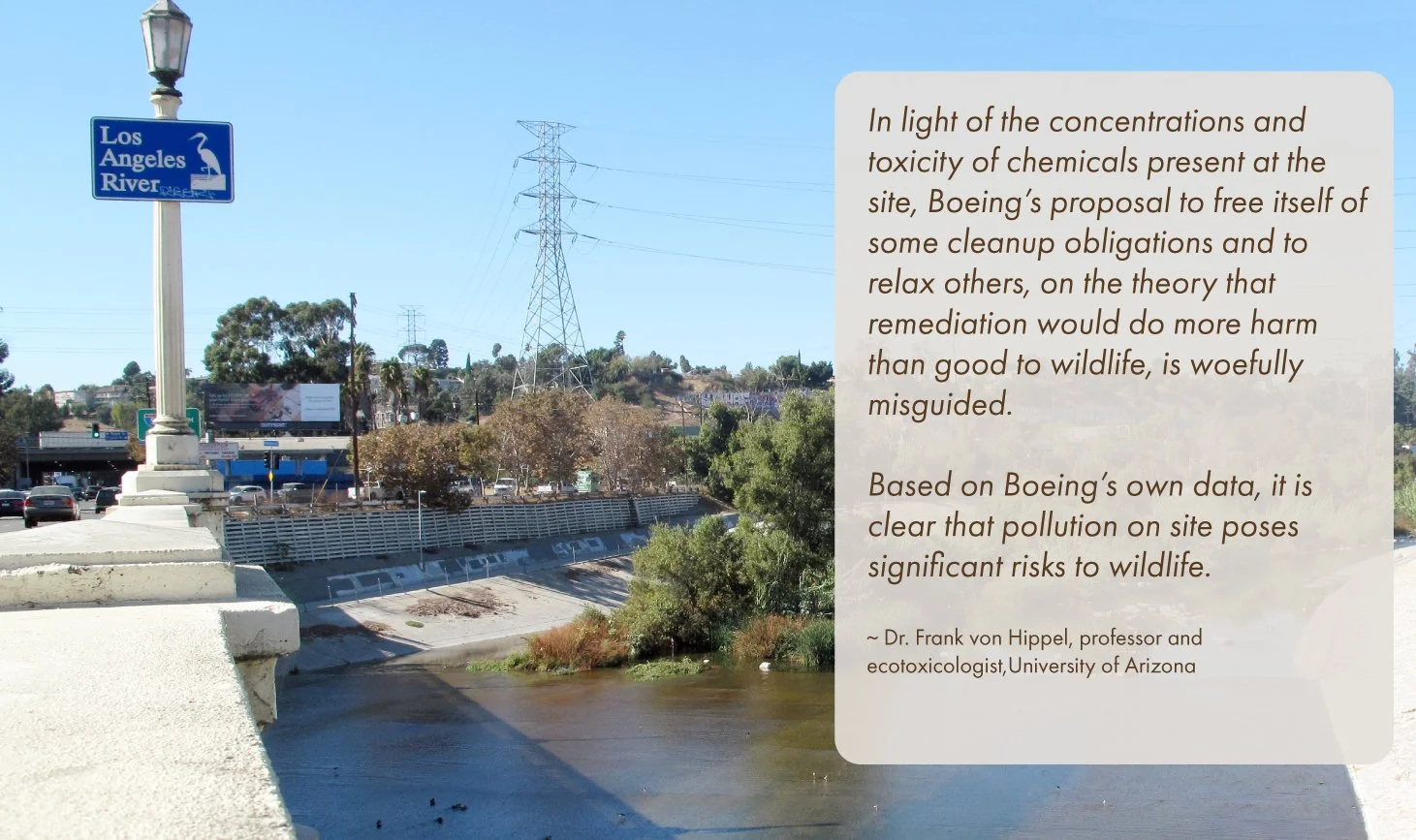
Biological exemptions were written into the AOC cleanup agreements to protect endangered species from harm during the cleanup. The exempt areas would not be subject to any remediation activities. The exemptions were only to be applied if mitigation measures were insufficient to protect endangered species, as identified by the Federal Fish and Wildlife Service. However, the DTSC extended the exemptions into gaping loopholes as a way for the Responsible Parties to avoid the costs of a complete cleanup.
Biological exemptions in 2010 AOC, “Impacts to species or habitat protected under the Endangered Species Act may be considered as possible exceptions from the cleanup…only to extent that the federal Fish and Wildlife Service… issues a Biological Opinion with a determination that implementation of the cleanup action would violate…the Endangered Species Act, and no prudent measures or reasonable and alternatives exist that would allow for the use of the specified cleanup standard in that portion of the site.”
biological Mitigation measures
Examples of biological mitigation measures from the Draft PEIR
“If an AOC exception is not applied, and where remedial activity would result in disturbance… the following mitigation is required: “
The cleanup activities shall be staggered across the site, limiting disturbances to specific locations that do not span the entire site, to provide refuge for wildlife that may use the site as a corridor. (PDF page 89)
If any… wildlife species have entered the work area and could be harmed by work activities… work shall halt in that work area until a qualified biologist… determines appropriate actions to avoid harm to the species. Wildlife shall be allowed to leave the work area before work may resume, or a qualified biologist may relocate non-listed species to areas of suitable habitat that would not be disturbed. (PDF page 89)
Methods for restoring tarplant habitat to pre-project conditions to the greatest extent feasible, and to create conditions suitable for establishment of Santa Susana tarplant and other onsite local native species. (PDF page 553)

Nighttime work shall be avoided as much as possible. If nighttime remediation is necessary, all lighting shall be broadcast away from any wildlife movement areas… Any nighttime lighting shall be shielded downward as to avoid light spillage into the adjacent wildlife corridor to the south. (PDF page 89)
During rain events, work shall not occur within 50 feet of aquatic habitats or within a suitable buffer as determined by a qualified biologist. (PDF page 89)
Backfill shall not be sourced from a location that results in ecological impacts, such as sterile soils or soils harboring noxious weed seeds… (PDF page 90)
…Riparian vegetation, wetlands, and waters shall be avoided to the extent feasible, and appropriate 100-foot setbacks shall be marked from the edge of jurisdictional waters or riparian vegetation (whichever is wider) to maintain riparian and aquatic functions and values. (PDF page 92)
Construction-related effects would be short-term and would be minimized… Incorporation of the mitigation measures discussed would help promulgate the species after construction. No long-term effects to the species resulting from the SSFL Project would be anticipated; therefore, the SSFL Project might affect, but is not expected to adversely affect, the Braunton’s milk vetch. (PDF page 121)